Whey Protein: How to Use It Effectively
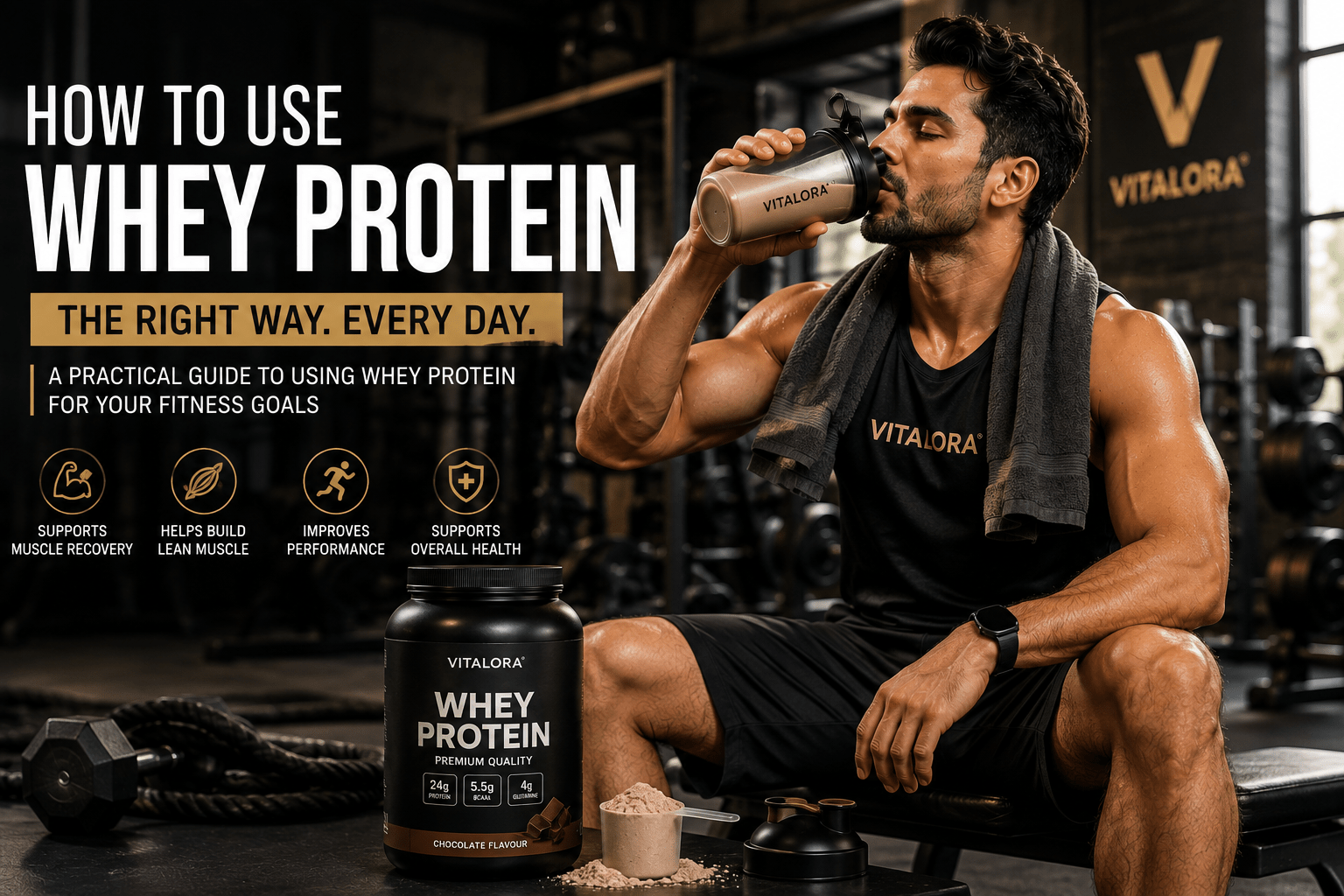
A Practical Guide to Using Whey Protein for Your Fitness Goals Whey Protein: How to Use It Effectively
Introduction
Whey protein is one of the most convenient ways to add high-quality protein to your daily diet. Whether you are new to fitness, regularly train at the gym, or simply find it difficult to get enough protein from food, whey can make your nutrition routine easier. Whey Protein: How to Use It Effectively
However, knowing how to use whey protein is about more than simply mixing a scoop with water. The right serving size, timing, overall diet, training routine, and individual protein requirements all play a role. Whey Protein: How to Use It Effectively
Whey protein is a supplement, not a replacement for a balanced diet. It can help you meet your daily protein needs, but your overall results depend on consistent training, adequate nutrition, recovery, hydration, and sleep. Whey Protein: How to Use It Effectively
In this guide, we will explain how to use whey protein in a simple and practical way. Whey Protein: How to Use It Effectively
What Is Whey Protein?
Whey protein is a milk-derived protein that provides all nine essential amino acids. It is commonly used by people who want a convenient way to increase their protein intake. Whey Protein: How to Use It Effectively
Protein is important for many normal functions in the body, including maintaining and repairing tissues. For people who perform resistance training, consuming enough protein alongside appropriate training can support muscle development and recovery. Whey Protein: How to Use It Effectively
Whey is available in different forms, including whey protein concentrate, whey protein isolate, and hydrolyzed whey protein. Whey Protein: How to Use It Effectively
The best option depends on your dietary preferences, tolerance, nutritional requirements, and budget. Whey Protein: How to Use It Effectively
How to Use Whey Protein ?
Using whey protein is generally straightforward.
Step 1: Check the Serving Size
Start by checking the product label. A serving is often around one scoop, but scoop sizes and protein content can vary between products. Whey Protein: How to Use It Effectively
Do not assume that one scoop always contains the same amount of protein. Check the nutrition panel to see how much protein each serving provides.
Step 2: Mix With Water or Milk
Add the recommended serving of whey protein to a shaker or glass.
You can mix it with:
- Water
- Milk
- Soy milk
- Other suitable beverages
Water is a simple option when you want a lighter shake. Milk can add additional calories, protein, and nutrients depending on the type you choose. Whey Protein: How to Use It Effectively
Step 3: Shake or Blend Well
Close your shaker securely and mix until the powder is evenly dissolved. Whey Protein: How to Use It Effectively
You can also use a blender if you prefer a smoother shake or want to add ingredients such as fruit, oats, or yogurt. Whey Protein: How to Use It Effectively
Step 4: Include It as Part of Your Daily Diet
Whey protein should complement your regular meals rather than replace most of them. Whey Protein: How to Use It Effectively
Your diet should still include a variety of foods such as vegetables, fruits, whole grains, healthy fats, dairy or alternatives, and other protein sources. Whey Protein: How to Use It Effectively Whey Protein: How to Use It Effectively
How Much Whey Protein Should You Take?
The amount of whey protein you need depends on how much protein you already get from your regular diet.
For many people who train regularly, total daily protein intake matters more than the exact number of whey servings. Whey Protein: How to Use It Effectively
A commonly used range for people involved in resistance training is approximately 1.4 to 2.0 grams of protein per kilogram of body weight per day, although individual requirements can vary.
For example, a 70 kg person may require approximately 98–140 grams of protein per day depending on their training, goals, and overall diet. Whey Protein: How to Use It Effectively
That total can come from a combination of:
- Eggs
- Milk and dairy products
- Chicken
- Fish
- Soy
- Beans
- Lentils
- Nuts and seeds
- Whey protein
If your regular meals already provide enough protein, you may not need multiple whey servings every day. Whey Protein: How to Use It Effectively

How to Mix Whey Protein
There is no single correct way to prepare a whey shake.
Whey Protein With Water
Mixing whey with water is quick and convenient. It is particularly useful after training or when you want a lower-calorie shake.
Add Your Heading Text Here
Milk can make the shake creamier and can add additional nutrients and calories.
This may be useful for people who need more calories in their diet, although the overall nutritional content will depend on the type and amount of milk used.
Whey Protein Smoothie
You can also blend whey with ingredients such as:
- Banana
- Berries
- Oats
- Yogurt
- Peanut butter
- Milk or a suitable alternative
A smoothie can be a more substantial option when combined with other nutritious ingredients.
When Should You Take Whey Protein?
One of the most common questions about whey is when to take it.
The good news is that there is no universal requirement to consume whey immediately after your workout.
After Workout
Whey protein after a workout can be a convenient way to add protein to your diet, especially if you will not have a protein-rich meal soon.
Before
Some people prefer having whey before training, particularly when their previous meal was several hours earlier.
Between Meals
Whey can also be used between meals when you need a convenient protein source.
The most important consideration is whether it helps you consistently meet your overall protein requirements.
Whey Protein Before or After Workout?
Both can fit into a balanced nutrition routine.
If you have a protein-rich meal before training and another balanced meal shortly afterward, there may be little practical reason to worry about consuming whey immediately after your workout.
On the other hand, if you finish training and have several hours before your next proper meal, a whey shake can be a convenient option.
Instead of focusing entirely on the clock, focus on your total daily protein intake and overall eating pattern.
Can You Take Whey Protein on Rest Days?
Yes, whey protein can also be used on rest days.
Your body does not stop needing protein simply because you are not exercising that day. If your regular meals provide enough protein, you may not need a shake.
However, if you are struggling to reach your daily protein target through food, whey can remain a convenient option on non-training days.
The amount you use should depend on your total dietary protein intake rather than whether you trained that day.
Common Whey Protein Mistakes
Mistake 1: Taking Too Much
More whey does not automatically mean better results.
The goal is to meet your overall protein needs, not to consume as many shakes as possible.
Mistake 2: Replacing Balanced Meals
Whey primarily provides protein. It does not automatically provide all the fibre, vitamins, minerals, healthy fats, and other nutrients you get from a varied diet.
Use it as a supplement to your meals rather than as your main source of nutrition.
Mistake 3: Focusing Too Much on Timing
You do not need to rush to consume whey within a few minutes of finishing your workout.
A consistent daily nutrition routine is more important than obsessing over a very narrow timing window.
Mistake 4: Ignoring the Product Label
Always check the nutrition information before using a supplement.
Look at:
- Protein per serving
- Serving size
- Calories
- Ingredients
- Allergens
- Added sugars or other ingredients
Mistake 5: Forgetting Your Overall Diet
Whey cannot compensate for an unbalanced diet, poor sleep, inconsistent training, or inadequate recovery.
Think of whey as one small part of your overall fitness routine.
Frequently Asked Questions
How should I use whey protein?
Mix the recommended serving with water, milk, or another suitable beverage and include it as part of your overall daily nutrition. Your total protein intake should guide how much whey you actually need.
How many scoops of whey protein should I take per day?
There is no universal number of scoops for everyone. Check the protein content per serving and consider how much protein you already get from food. One serving may be enough for some people, while others may not need whey at all.
Should I take whey protein every day?
You can use whey every day if it helps you meet your protein needs and fits your diet. However, daily use is not mandatory if you already get enough protein from regular foods.
Is whey protein better with water or milk?
Both are options. Water provides a simple, lighter shake, while milk can make it creamier and add calories and nutrients. Choose based on your dietary needs and preferences.
Can beginners use whey protein?
Yes. Whey can be a convenient protein source for beginners who have difficulty meeting their protein requirements through food. It should complement a balanced diet.
Should I take whey protein before or after a workout?
Either can work. The best timing is the one that fits your routine and helps you maintain adequate protein intake throughout the day.
Can I take whey protein without working out?
Whey is simply a source of protein, so it does not require a workout to be consumed. However, whether you need it depends on your overall dietary protein intake and nutritional goals.
Can whey protein replace a meal?
Whey alone is not generally a complete replacement for a balanced meal. A complete diet should provide protein, carbohydrates, fats, fibre, vitamins, minerals, and adequate calories.
Conclusion
Learning how to use whey protein does not need to be complicated.
Start by understanding your overall protein requirements, check the serving size on your product label, mix whey with a suitable beverage, and use it at a time that fits your daily routine.
Whether you take it after a workout, between meals, or on a rest day, the bigger picture matters more than perfect timing.
Consistent training, adequate protein, balanced nutrition, hydration, quality sleep, and recovery all work together to support your fitness journey.
Whey protein can be a useful tool—but it works best as part of a well-rounded lifestyle rather than as a shortcut to results.