Whey Protein for Beginners
A Simple Guide to Choosing, Using, and Understanding Whey Protein
Introduction
Starting your fitness journey often comes with one common question: Is whey protein really necessary? For beginners, protein supplements can seem confusing because there are many products, serving sizes, flavors, and claims to consider. whey protein for beginners
The good news is that understanding whey protein for beginners does not need to be complicated. Whey is simply a convenient source of high quality protein. It can help you reach your daily protein requirement when getting enough protein from regular food becomes difficult. whey protein for beginners
However, whey protein is not a shortcut to building muscle. Your results depend on several factors, including resistance training, total nutrition, sleep, hydration, and consistency. Once these basics are clear, deciding whether whey fits your routine becomes much easier. whey protein for beginners
What Is Whey Protein?
Whey protein is a protein derived from milk during the cheese making process. It contains essential amino acids that the body needs for normal muscle maintenance and repair.
Whey is popular among gym users because it is convenient and provides a substantial amount of protein in a relatively small serving.
There are different types of whey protein, including whey concentrate and whey isolate. Their nutritional profiles can differ, so checking the product label is important.
For a beginner, the best choice is not necessarily the most expensive product. A product with clear nutritional information and a protein amount that fits your needs is a sensible starting point. whey protein for beginners
Why Beginners May Consider Whey Protein
Convenient Source of Protein
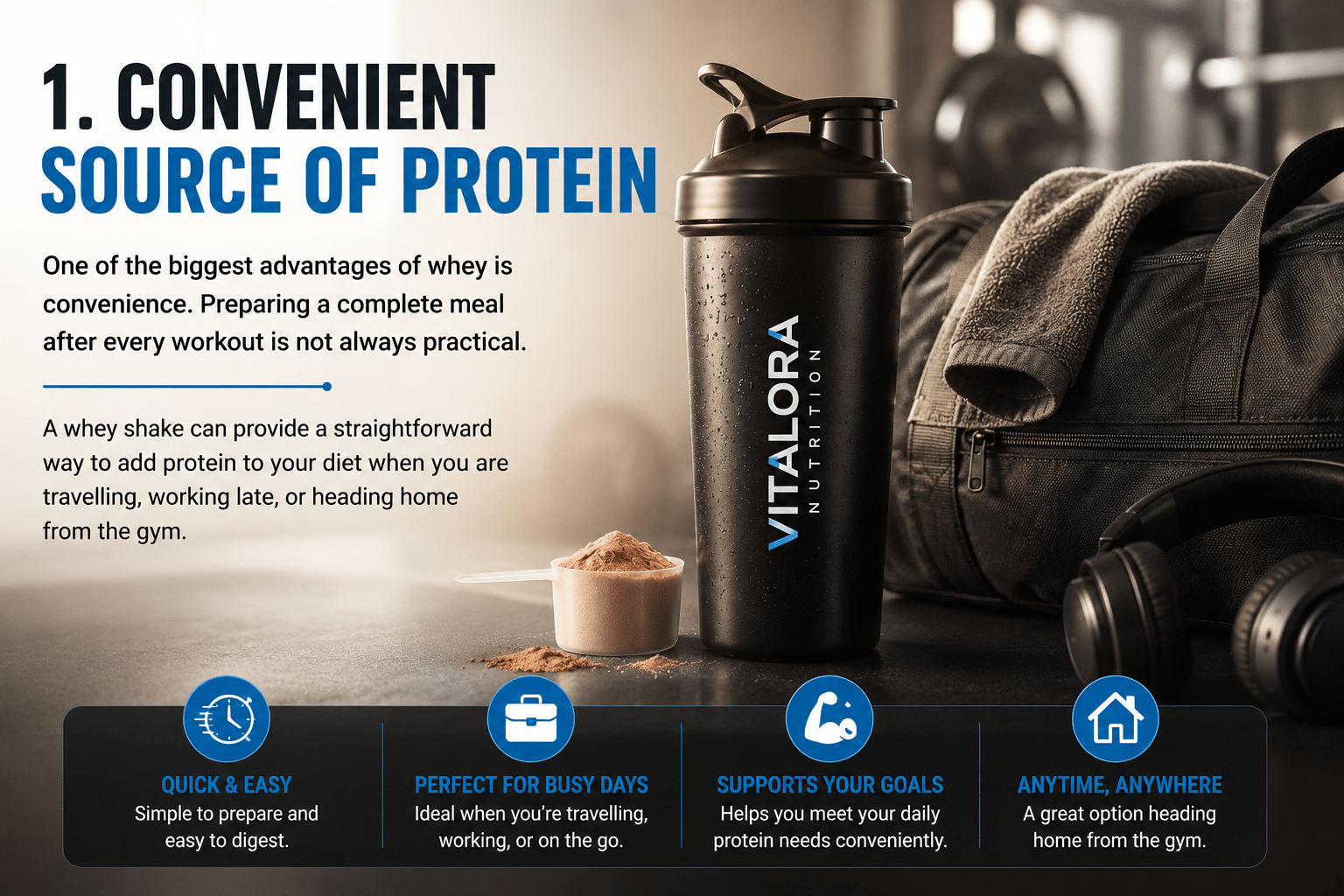
One of the biggest advantages of whey is convenience.
Imagine finishing your workout and needing to get to work shortly afterward. Preparing chicken, eggs, lentils, or another complete meal may not always be practical. A protein shake can provide an easy way to add protein to your diet. whey protein for beginners
This is where whey can be useful. It complements your meals rather than replacing them.
Supports Muscle Recovery
Resistance training gives your muscles a reason to adapt. Adequate protein provides amino acids that support normal muscle repair and maintenance.
Whey contains all nine essential amino acids and is particularly rich in leucine, which plays an important role in stimulating muscle protein synthesis.
Still, recovery involves more than protein. Sleep, hydration, sufficient calories, carbohydrates, training quality, and rest all contribute to the bigger picture. whey protein for beginners
Helps Support Muscle Development
For beginners who are starting resistance training, getting enough protein consistently can support their fitness goals.
Think of whey as a nutrition tool. Training provides the stimulus, while proper nutrition and recovery help your body adapt. whey protein for beginners
How Much Protein Does a Beginner Need?
Protein requirements vary based on body weight, activity level, age, training goals, and overall diet.
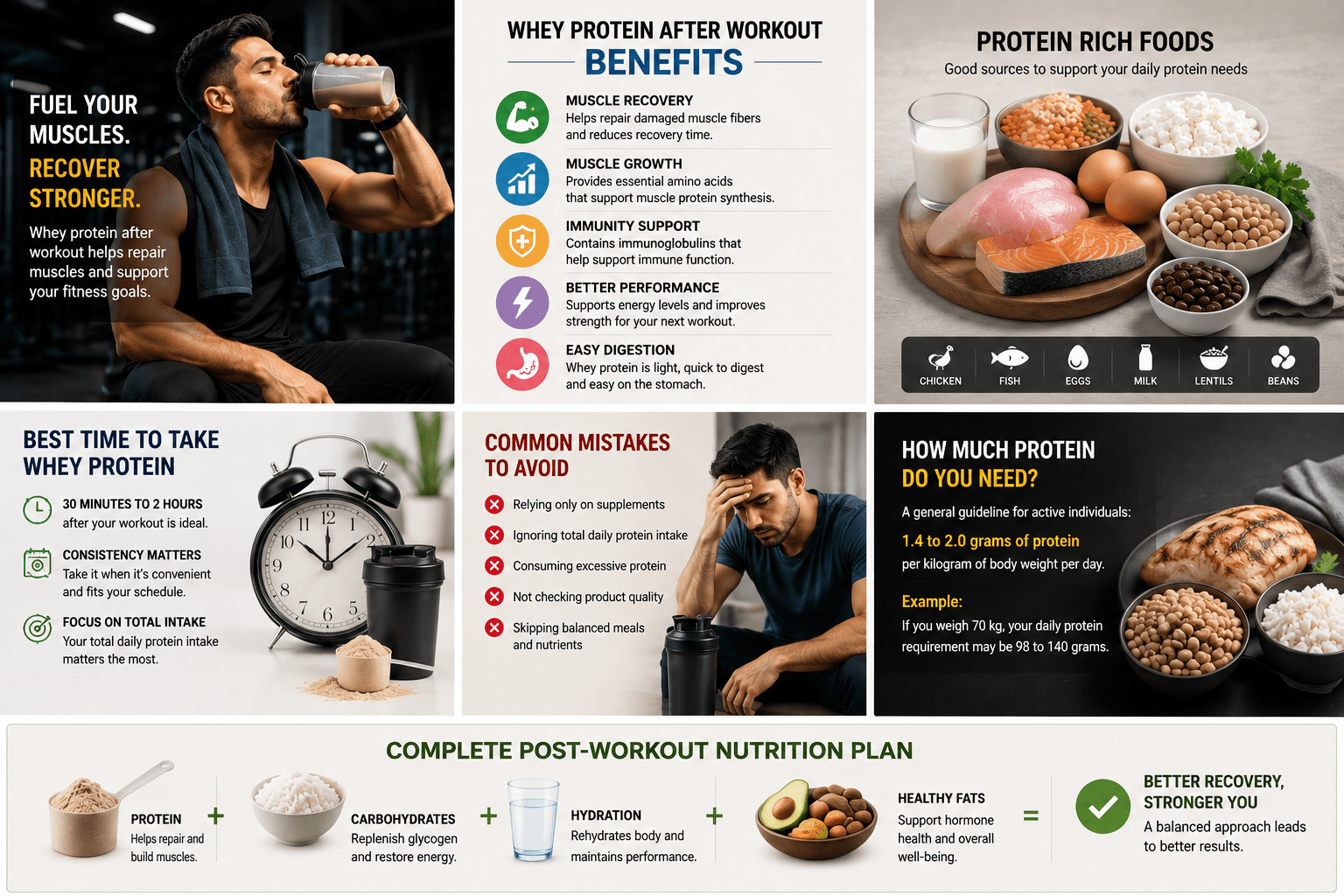
For people regularly involved in resistance training, an intake around 1.4 to 2.0 grams of protein per kilogram of body weight per day is commonly used as a practical range.
For example, a 70 kilogram individual may require approximately 98 to 140 grams of protein per day, depending on their circumstances and goals.
This does not mean all of that protein should come from whey. whey protein for beginners
Eggs, dairy, fish, chicken, soy, beans, lentils, and other protein rich foods can contribute to your daily intake. Whey simply makes reaching your target more convenient. whey protein for beginners
When Should Beginners Take Whey Protein?
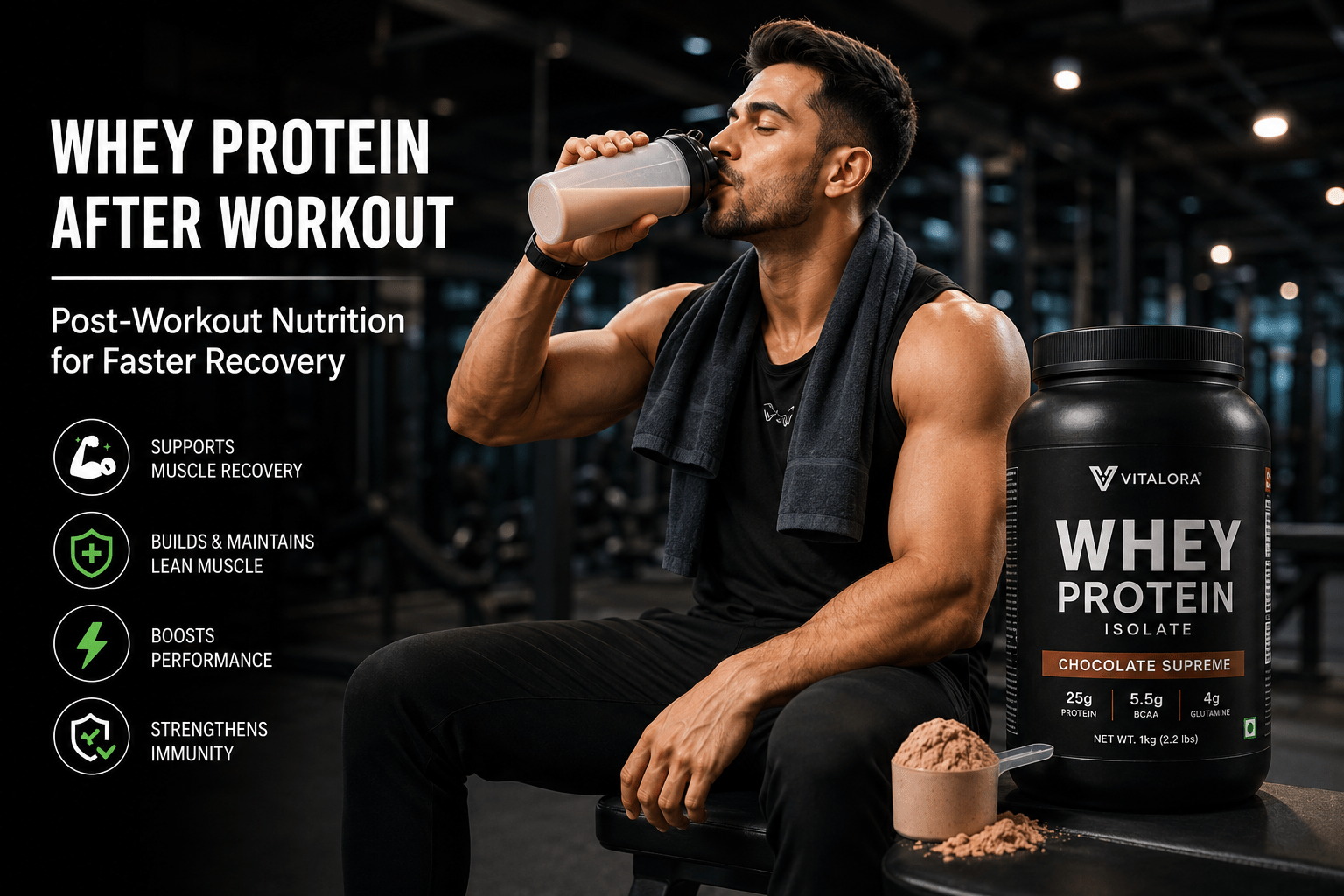
There is no requirement for beginners to drink whey immediately after exercise.
You can take whey at a time that fits your daily routine. Some people prefer it after training, while others use it between meals or when they know their next proper meal will be several hours away.
The more important point is your total daily protein intake.
For example, if you already eat a protein rich meal after your workout, another shake may not be necessary. If your meals are low in protein, a whey shake may help fill the gap. whey protein for beginners
How to Choose Whey Protein
Before buying a product, beginners should look beyond the flavor and packaging.
Check the following:
- Protein per serving: Look at how much protein you actually receive.
- Serving size: Compare products using their nutritional information.
- Ingredients: Understand what is included in the product.
- Allergens: Whey is milk based, so people with milk related allergies need particular caution.
- Quality information: Choose products from manufacturers that provide transparent labeling and appropriate quality standards.
Price should not be the only deciding factor. A trustworthy label and suitable nutrition profile are more important.
Common Mistakes Beginners Should Avoid
Using Whey Instead of Real Food
Whey is a supplement, not a complete replacement for a balanced diet.
Taking More Than You Need
More protein does not automatically mean better results. Your overall dietary needs matter.
Expecting Fast Results
Muscle development takes time. Consistent resistance training, nutrition, recovery, and patience matter far more than simply adding a protein shake.
Ignoring the Rest of Your Diet
Protein is only one part of nutrition. Your body also needs adequate energy, carbohydrates, fats, vitamins, minerals, fibre, and fluids.
Frequently Asked Questions
Is whey protein good for beginners?
Yes, whey can be a convenient protein source for beginners who have difficulty meeting their daily protein needs through food. whey protein for beginners
How should beginners take whey protein?
Whey can be mixed with water or milk according to your dietary preferences and product instructions. The timing should fit your overall nutrition routine. whey protein for beginners
Should I take whey protein every day?
You do not have to take whey every day. If your diet already provides enough protein, a supplement may not be necessary. whey protein for beginners
Can whey protein help beginners build muscle?
Whey can support adequate protein intake, while resistance training provides the main stimulus for muscle development. Results also depend on nutrition, sleep, recovery, and consistency. whey protein for beginners
Is whey protein necessary for muscle growth?
No. You can obtain protein from regular foods. Whey is mainly useful because it is convenient and easy to include in a busy routine. whey protein for beginners
Understanding whey protein for beginners starts with one simple idea: whey is a convenient protein source, not a shortcut to fitness results.
If your regular diet provides enough protein, you may not need a supplement. If you struggle to meet your protein needs through meals, whey can be a practical addition to your routine.
Focus first on consistent training, balanced nutrition, adequate protein, good sleep, hydration, and patience. Once those foundations are in place, whey protein can have a useful role in supporting your fitness journey. whey protein for beginners