protein bar for active lifestyles
Smart Protein Nutrition for Energy, Recovery, and Everyday Fitness
Introduction
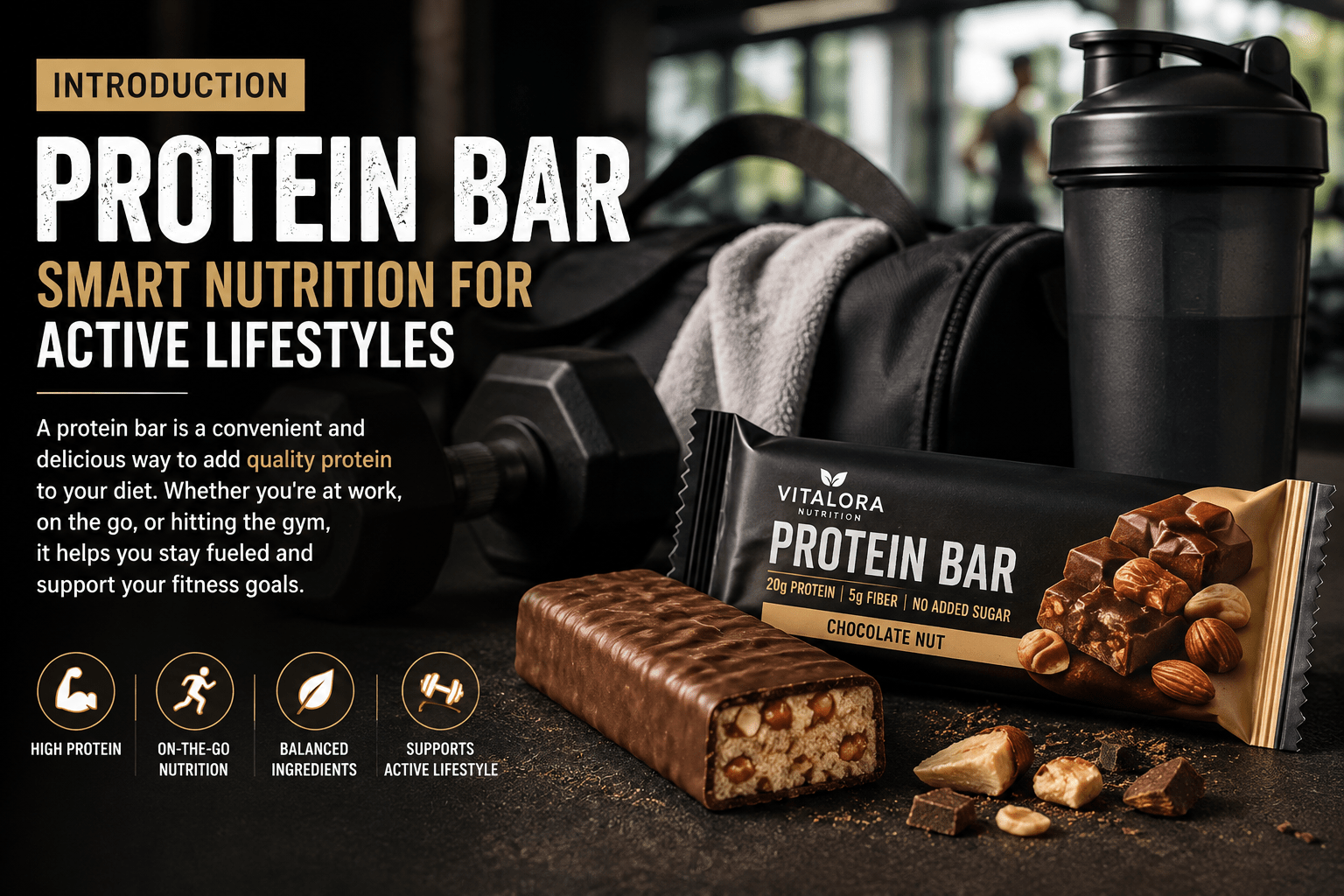
Finding a nutritious snack during a busy day is not always easy. You may be travelling, working long hours, heading to the gym, or simply between meals when hunger appears. This is where a protein bar can offer a practical solution. protein bar for active lifestyles
A protein bar is more than just a convenient snack. Depending on its ingredients and nutritional profile, it can provide protein, carbohydrates, fats, and calories that fit into an active lifestyle. However, not every protein bar is the same. Some are designed mainly for protein intake, while others can contain significant amounts of added sugar or calories. protein bar for active lifestyles
The right approach is to look beyond the front of the package and understand what the product actually provides. When chosen thoughtfully, a protein bar can complement a balanced diet and make it easier to maintain consistent nutrition throughout the day. protein bar for active lifestyles
What Is a Protein Bar?
A protein bar is a ready to eat snack formulated to provide protein along with other nutrients. Depending on the recipe, it may contain ingredients such as milk protein, whey protein, soy protein, nuts, seeds, oats, dates, or other carbohydrate sources. protein bar for active lifestyles
The nutritional value can vary considerably between products. protein bar for active lifestyles
For this reason, calling every protein bar a healthy snack would be misleading. A better approach is to consider the bar in the context of your overall diet. protein bar for active lifestyles
For someone who regularly exercises, a protein bar can be useful when a normal protein rich meal is not immediately available. protein bar for active lifestyles
Benefits of Protein Bars
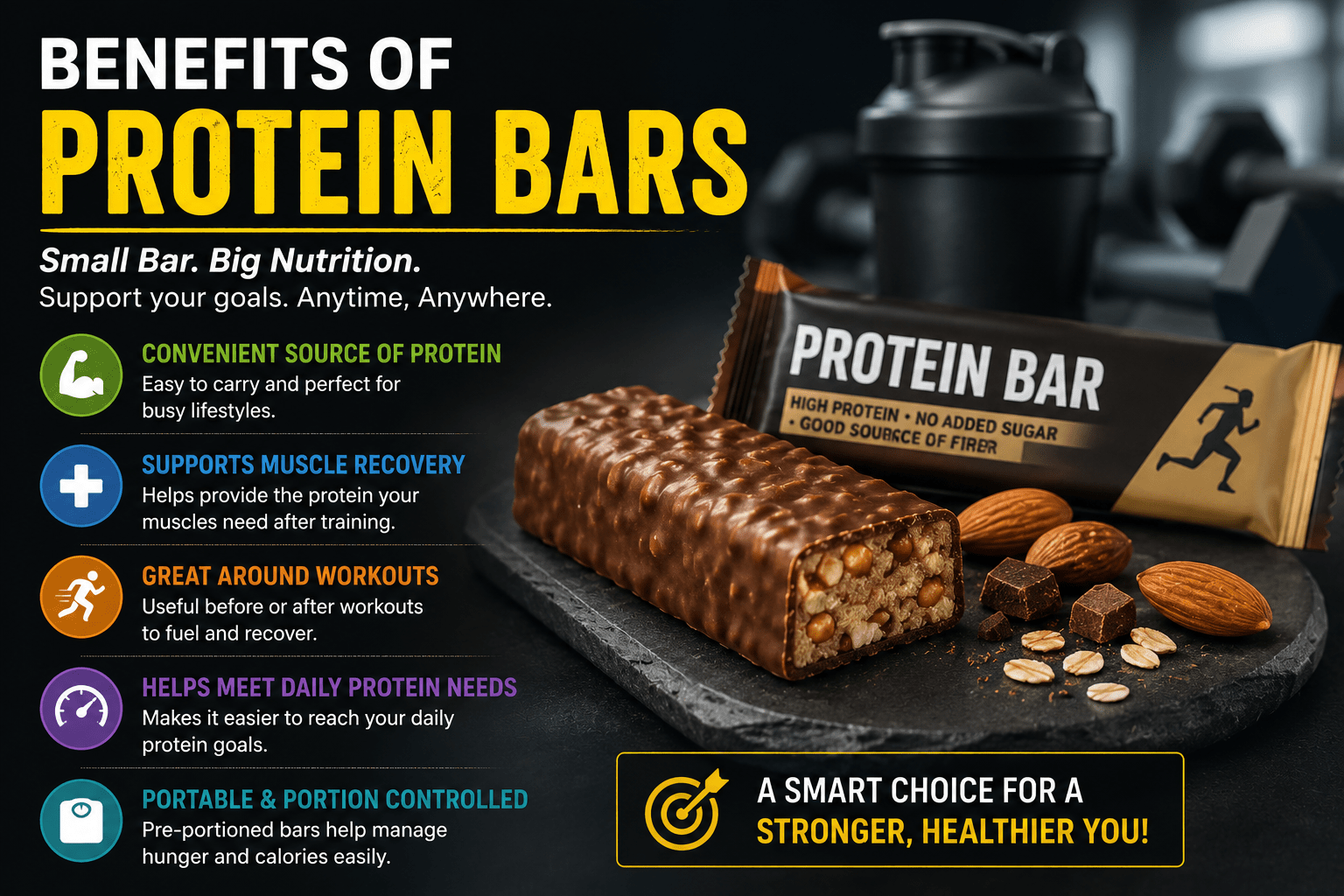
1. Convenient Source of Protein
Convenience is one of the biggest reasons people choose protein bars. protein bar for active lifestyles
A cooked meal may not always be practical when you are travelling, working, studying, or moving between appointments. A protein bar can be carried easily in a gym bag or backpack and eaten without preparation. protein bar for active lifestyles
This makes it particularly useful for people with unpredictable schedules. protein bar for active lifestyles
2. Helps Support Daily Protein Intake
Your body needs protein for normal muscle maintenance, repair, and many other functions. protein bar for active lifestyles
If your meals do not consistently provide enough protein, a protein bar can help contribute toward your daily intake. protein bar for active lifestyles
For example, someone who has breakfast and lunch but knows they will not have dinner for several hours may use a protein bar as a practical snack rather than relying on highly processed convenience foods. protein bar for active lifestyles
3. Useful Around Exercise
A protein bar can fit before or after training depending on your overall diet and personal preference. protein bar for active lifestyles
Before exercise, some people may prefer a bar that provides both protein and carbohydrates. After training, a protein focused option may be useful when a proper meal is not immediately available. protein bar for active lifestyles
There is no universal requirement to eat a protein bar at a specific minute after exercise. Your overall daily nutrition remains more important. protein bar for active lifestyles
4. Easy Portion Control
A packaged bar provides a defined serving size, which can make it easier to understand how much you are eating. protein bar for active lifestyles
This can be useful for people who track calories or protein intake. However, portion control still depends on reading the nutrition label because some bars can be surprisingly high in calories. protein bar for active lifestyles
When Should You Eat a Protein Bar?
There is no single best time for everyone.
Between Meals
A protein bar can work well when you need a convenient snack between meals. protein bar for active lifestyles
Before a Workout
If you have several hours between meals and training, a bar containing protein and carbohydrates may fit into your pre workout routine. protein bar for active lifestyles
However, eating immediately before intense exercise may feel uncomfortable for some people. Individual tolerance matters. protein bar for active lifestyles
After a Workout
A protein bar can be useful when you cannot have a proper meal soon after training. protein bar for active lifestyles
For example, if you finish a gym session and have to travel directly to work, carrying a protein bar can be more practical than waiting several hours for your next meal. protein bar for active lifestyles
How Much Protein Should a Bar Contain?
There is no universal number that makes a protein bar suitable for everyone. protein bar for active lifestyles
The appropriate amount depends on your total daily protein needs and what role the bar plays in your diet.
Instead of focusing only on a large number printed on the front of the package, check the nutrition panel. Look at protein per serving, total calories, carbohydrates, fats, fibre, and added sugars. protein bar for active lifestyles
A bar should make sense within your overall nutrition rather than being judged by protein content alone. protein bar for active lifestyles
How to Choose a Good Protein Bar ?
Check the Protein Source
Look at whether the protein comes from whey, milk proteins, soy, nuts, seeds, or another source. protein bar for active lifestyles
Read the Full Nutrition Label
Do not rely only on claims such as “high protein.” Compare protein, calories, carbohydrates, fats, fibre, and sugars. protein bar for active lifestyles
Consider Your Dietary Needs
People with allergies, intolerances, or specific dietary preferences should check the ingredient and allergen information carefully. protein bar for active lifestyles
Look at the Ingredient List
A shorter ingredient list is not automatically better, but understanding the ingredients can help you make an informed decision.
Consider the Purpose
A protein bar for post workout nutrition may have a different nutritional profile from a low calorie snack designed for between meals.
The best choice depends on what you actually need.
Protein Bar vs Regular Snack
A protein bar is not automatically healthier than every conventional snack.
For example, a protein bar may provide more protein than a typical sweet snack, but it can still be high in calories or added sugar depending on the formulation.
On the other hand, foods such as Greek yogurt, eggs, milk, cottage cheese, nuts, beans, and other whole foods can also provide valuable protein.
The practical lesson is simple: use protein bars for convenience, not because you believe packaged food is always superior to whole foods.
Common Protein Bar Mistakes
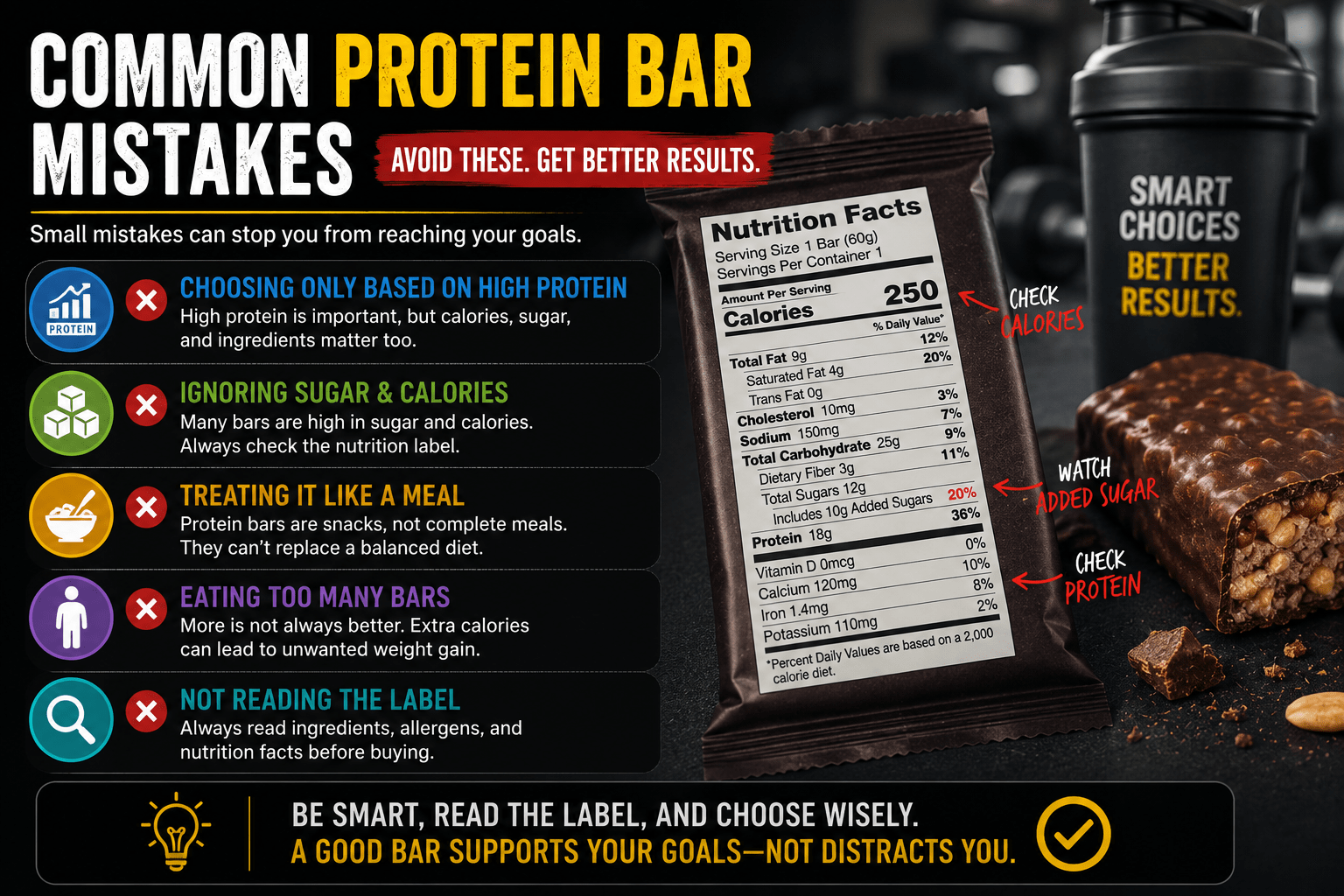
Choosing Based Only on the Protein Number
A high protein number does not tell you everything about a product.
Treating Protein Bars Like Complete Meals
Most protein bars are snacks, not replacements for balanced meals containing a variety of nutrients.
Ignoring Calories
If you are monitoring your energy intake, remember that protein bars contribute calories too.
Eating Several Bars Without Considering Your Diet
More protein is not automatically better. Your total daily intake matters.
Assuming Every Protein Bar Is the Same
Different products can have very different ingredients and nutritional profiles. Always read the label.
Frequently Asked Questions
What is a protein bar?
A protein bar is a ready to eat snack that provides protein along with varying amounts of carbohydrates, fats, fibre, and calories.
Are protein bars good for fitness?
They can be useful for active people who need a convenient source of protein. Their value depends on the ingredients, nutritional profile, and how they fit into your overall diet.
When should I eat a protein bar?
You can eat one between meals, before exercise, or after training depending on your nutritional needs and schedule.
Can I eat a protein bar every day?
A protein bar can be part of a balanced diet, but there is no requirement to eat one every day. Whole food protein sources should also have a place in your diet.
Can protein bars help with muscle growth?
Protein contributes to muscle maintenance and development when combined with appropriate resistance training and adequate overall nutrition. A protein bar itself does not directly build muscle.
Are protein bars good for weight management?
It depends on the individual product and your total calorie intake. A protein bar can be a convenient snack, but portion size, calories, and overall dietary quality still matter.
Are protein bars suitable for beginners?
Yes. Beginners can use protein bars as a convenient protein source, especially when regular meals are not available. However, learning to build balanced meals should remain the priority.
Conclusion
A protein bar can be a useful addition to an active lifestyle when convenience matters. It can help provide protein between meals, around workouts, or during busy days when preparing food is difficult. protein bar for active lifestyles
The key is to choose based on the nutrition label rather than marketing claims. Look at protein, calories, carbohydrates, fats, fibre, sugars, ingredients, and allergens. protein bar for active lifestyles
Most importantly, remember that a protein bar is a nutrition tool, not a replacement for a balanced diet. Regular protein rich foods, consistent exercise, adequate sleep, hydration, and overall dietary quality remain the foundation of long term fitness. protein bar for active lifestyles